Why Script Art Is the Stylish Typeface Your Creative Toolkit Needs
Finding a font that feels both contemporary and timeless can feel like searching for a needle in a haystack. You need something that speaks with personality, yet remains versatile enough to handle a multitude of projects without losing its charm. That's where Script Art enters the conversation. This stylish modern font strikes a remarkable balance, making it suitable for a variety of formal and informal designs. Whether you're crafting a brand identity for a new startup, designing elegant wedding stationery, or creating scroll-stopping social media content, this typeface has the potential to elevate any creation. No matter the topic, adding this font to your library is an investment in visual quality that pays dividends across your portfolio.
Bridging the Gap Between Formal Elegance and Modern Flair
What makes a script font truly useful in today’s design landscape is its ability to adapt. Too often, handwritten fonts look too casual for corporate use, or too rigid for artistic endeavors. Script Art, however, navigates these waters with ease. It possesses the fluidity and warmth of a handwritten font while maintaining the legibility and structure required for professional display typography.
For designers and entrepreneurs, this versatility is crucial. Imagine you are a creative director working on a lifestyle brand. You need a font that feels personal and approachable for your blog headers, but you also need it to look polished enough for product packaging. Script Art fits this brief perfectly. Its modern typography characteristics allow it to stand out without overwhelming the layout. It acts as a visual anchor that draws the eye, making it an excellent choice for hero sections on websites or the main headline of a poster.
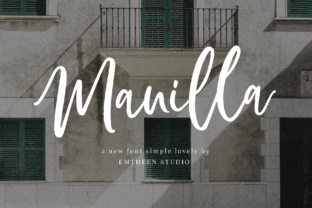
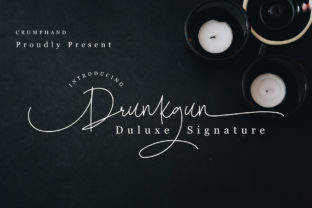
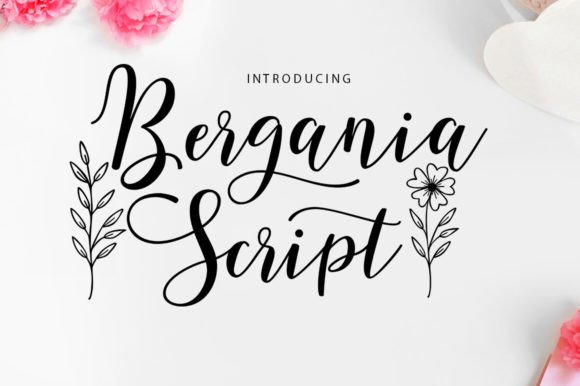
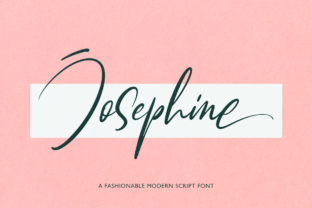
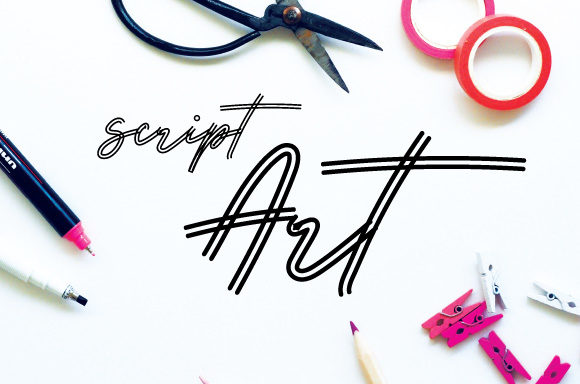
Furthermore, the aesthetic appeal of this premium font lies in its details. The connections between letters, the varying thickness of the strokes, and the overall rhythm create a sense of movement. This dynamic quality is essential for visual communication, as it mimics the natural flow of human handwriting, instantly making your design feel more relatable and less sterile than standard block text.
Practical Applications: From Brand Identity to Digital Products
The true test of any design asset is how well it performs in the real world. Script Art isn't just a pretty face; it is a workhorse for a variety of creative applications. If you are building a brand identity, consistency is key. Using this typeface across your logo design, business cards, and website creates a cohesive visual language that helps with brand recognition. It tells your audience exactly who you are before they even read a word of your copy.
Consider the world of packaging design. In a crowded market, a product needs to jump off the shelf. A display font like Script Art can add a touch of luxury or artisanal quality to a label, depending on the color palette and imagery used alongside it. It works beautifully for coffee shop branding, boutique clothing lines, or high-end cosmetics. The font does the heavy lifting of conveying quality and style.
For the digital creators and marketers out there, the utility extends to social media graphics and digital products. Instagram stories, Pinterest pins, and Facebook ads often rely on bold, eye-catching text to stop the scroll. Script Art provides that visual impact. It is also an excellent choice for creating digital assets like e-book covers, online course materials, or printable planners. Because it is a commercial font, you can use it confidently in projects intended for sale, ensuring your work looks professional and legally sound.
Strategic Font Pairing and Readability
While Script Art is a star player, no font is an island. One of the most practical skills in modern typography is learning how to pair fonts effectively. Because Script Art is a script font with a lot of character, it generally pairs best with something simple and clean. Think of a classic sans serif font for your body copy. The contrast between the expressive script and the neutral sans serif creates a hierarchy that guides the reader’s eye naturally.
For example, if you are designing a poster for an event, you might use Script Art for the event name to give it prominence and excitement. Then, use a legible sans serif for the date, time, and location details. This ensures that the information is accessible while the overall design remains stylish.
However, readability must always be a priority. While this font is designed for clarity, script fonts are generally best used for headlines, subheadings, or short bursts of text rather than long paragraphs. Imagine trying to read a full blog post in a handwritten style—it can cause eye strain. Use Script Art to make a statement, and let a serif or sans serif font handle the heavy lifting of long-form content. This approach ensures your designs are not only beautiful but also functional and user-friendly.
Choosing the Right Style for Your Project
When you download a high-quality typeface like this, you often get more than just a single file. It is worth exploring the different styles included in the package. Does the font come with alternate characters? Are there different weights or swashes available? These variations are incredibly useful. They allow you to customize the look of the text to fit the specific mood of your project.
For instance, a wedding invitation might call for the most elaborate, flowing version of the script, while a business presentation might require a more subdued, standard version. By reviewing the included styles, you maximize the value of the font and ensure you have the right tool for every job. It turns a single font purchase into a versatile design system.
Finally, always keep your end goal in mind. If you are a small business owner designing your own marketing materials, think about where the font will live. If it’s primarily for print, ensure it looks good at the size you intend to use. If it’s for the web, check how it renders on different screen sizes. Script Art is designed to be an asset, but like any tool, it works best when used with intention and care.
Ultimately, typography is the voice of your design. It sets the tone, evokes emotion, and communicates your message. By integrating a stylish, modern font like Script Art into your workflow, you gain the ability to add a layer of sophistication and personality to your work. It bridges the gap between the formal and the informal, making it a truly invaluable addition to any designer’s toolkit.