Josephine Script: Your Go-To for a Fresh, Stylish Vibe
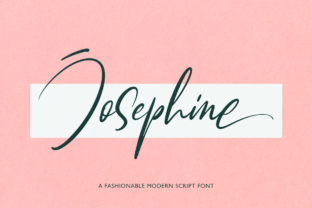
There are moments in any creative project where you just know a standard sans-serif won't cut it. You need something with personality, a touch of elegance, and a modern edge. That's where a font like Josephine Script steps in. It's not just another script typeface; it's a carefully crafted tool designed to inject a fresh, stylish look into your work. Every letter flows with a purpose, balancing artistic flair with a clean, contemporary feel that feels both personal and polished.
For designers, entrepreneurs, and creators, the search for a font that feels both unique and versatile is constant. You're building a brand identity, designing a logo, or creating marketing materials that need to stand out. A premium font like this one offers a solution. Its modern script style avoids the overly ornate, sometimes hard-to-read pitfalls of traditional calligraphy fonts, making it a practical choice for a wide range of applications. Let's explore how this typeface can become a valuable part of your design assets.
More Than Just Pretty Letters: The Power of a Cohesive Brand Voice
Think about the brands you recognize instantly. A huge part of that recognition comes from consistent visual language. Typography is a silent ambassador for your brand's personality. Choosing a creative font like Josephine Script for key elements—your logo, headlines, or signature quotes—immediately sets a tone. It communicates style, attention to detail, and a modern sensibility. This isn't about following a trend; it's about selecting a typeface that aligns with the story you want to tell, whether that's boutique elegance, creative professionalism, or warm invitation.
When you use this script font consistently across your website, social media graphics, and packaging design, you create a seamless experience for your audience. This visual consistency builds brand recognition far more effectively than a disjointed collection of fonts. It helps your business cards, email headers, and Instagram posts feel like they all belong to the same family, strengthening your overall brand identity with every touchpoint.
Where Style Meets Strategy: Practical Applications for Josephine Script
The true test of a great display font is its versatility. Where can you actually use it? The answer is almost anywhere you want to add a touch of human elegance and modern flair.
- Logo Design & Branding: This is where a script font shines. Use it for your primary logotype or as a complementary element to a cleaner sans-serif or serif font. It's perfect for boutique businesses, lifestyle brands, beauty products, and creative agencies that want to appear approachable yet sophisticated.
- Editorial & Web Design: Break up the monotony of body text. Use Josephine for article headlines, pull quotes, or section titles on your blog. It adds visual interest and can guide the reader's eye through your content, improving engagement and readability when used strategically.
- Packaging & Merchandise: On a product label, a shopping bag, or a coffee cup sleeve, this font can make the ordinary feel special. It conveys quality and care, which can influence a customer's perception of your product before they even try it.
- Marketing & Social Media: Create eye-catching Instagram stories, Facebook ads, or Pinterest pins. The stylish look of the font helps your graphics pop in a crowded feed, making your promotions feel more like curated content and less like generic ads.
- Invitations & Print Collateral: From wedding invitations and greeting cards to business cards and event posters, the font adds a personal, handwritten touch without sacrificing legibility. It's ideal for any project that needs to feel heartfelt and exclusive.
Finding the Perfect Match: Typography Pairing and Readability
Using a script font effectively is all about balance. You wouldn't set an entire paragraph of body copy in a flowing script; it would be exhausting to read. The key is to pair it with a neutral, highly readable font. A classic combination is using Josephine Script for headlines or highlights and a clean sans-serif like Montserrat or a simple serif like Lora for the supporting text. This creates a clear hierarchy, where the script font draws attention and the paired font delivers the detailed information comfortably.
Always prioritize readability, especially for digital screens. Test your font pairings at different sizes. Ensure the script's letters are distinct enough that words don't blur together when viewed on a mobile device. A good modern script is designed with this in mind, but it's always your responsibility to check the final output in its intended context—whether that's a website header, a printed brochure, or a social media post.
Choosing Your Style and Understanding Licensing
Many premium fonts, including quality script fonts, come with multiple styles. You might find alternates for certain letters (like a more elaborate 't' or 's'), swashes, or even a set of stylistic alternates that change the overall feel from connected to slightly disconnected. Reviewing these included styles is crucial. They give you creative control to tailor the typography precisely to your project's mood. Perhaps a wedding invitation needs the most flowing swashes, while a logo requires a cleaner, more connected version.
Finally, a practical note on licensing. If you're using any commercial font for client work, merchandise, or business materials, you need to ensure you have the correct commercial license. This is a critical step in professional practice. Check the font's license agreement carefully. Does it cover the number of users you need? Does it permit embedding in apps or on websites? Understanding these terms protects you legally and supports the type designers who create the tools we rely on. A truly professional presentation starts with using your design assets correctly.
In the end, selecting a typeface like Josephine Script is a creative decision with practical implications. It's about finding a visual voice that resonates with your audience and supports your project's goals. When used thoughtfully—paired wisely, applied consistently, and licensed properly—it becomes more than just a font. It becomes a key part of how your brand communicates style, quality, and personality to the world.