Vintage Script: The Font That Brings Timeless Charm to Your Designs
There’s something about a beautifully crafted script font that instantly evokes a sense of nostalgia, warmth, and authenticity. In a world saturated with clean, geometric sans serifs, a font with a vintage, handwritten character can be the secret weapon that makes a design feel personal and memorable. This is where a typeface like Vintage Script shines—it’s not just a collection of letters, but a tool for storytelling, offering that special retro touch to a wide array of creative projects.
Understanding the Visual Appeal of a Handwritten Typeface
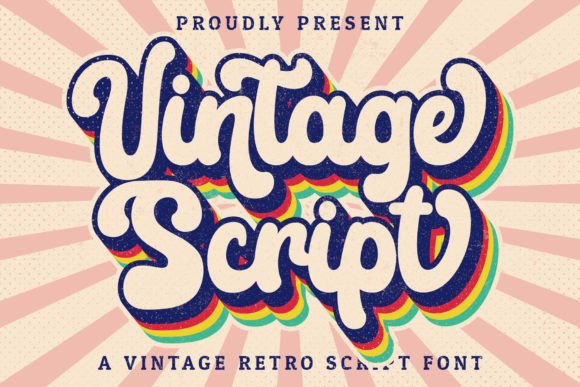
What sets a premium font like this apart is its personality. Unlike rigid, uniform typefaces, a script font carries the subtle imperfections and fluidity of human handwriting. The letterforms often feature varied baseline shifts, gentle swashes, and a natural flow that mimics ink on paper. This visual style communicates authenticity and craftsmanship. For a small business owner creating a logo or a designer working on wedding invitations, this inherent warmth can build an immediate emotional connection with the audience. It speaks to tradition, care, and a hands-on approach that sterile digital fonts often lack.
The visual characteristics are key. Typically, such a font will include stylistic alternates, ligatures, and swashes—extra flourishes that allow for customization. Because this particular font is PUA encoded, all these special glyphs are easily accessible, even in basic design software. This means you can tweak a header to have a unique flourish or ensure two connecting letters blend seamlessly, elevating a standard design into something custom and polished.
Practical Applications Across Creative Projects
The versatility of a well-designed script font is its greatest strength. Its applications extend far beyond a single niche, making it a valuable asset in any designer's toolkit.
- Brand Identity & Logo Design: For brands targeting a artisanal, boutique, or heritage market—think coffee roasters, bakeries, craft breweries, or handmade goods shops—a vintage script can form the core of the logo. It immediately communicates the brand's ethos of quality and tradition.
- Packaging & Product Design: On product labels, boxes, or tags, this font style adds a premium, crafted feel. It can make a jar of jam or a candle label look like it came from a family recipe passed down through generations.
- Print Materials & Stationery: From business cards and letterheads to brochures and posters, using a script font for headlines or pull quotes adds a touch of elegance and breaks the monotony of body text set in a simple serif or sans serif.
- Wedding & Event Design: This is a natural fit. Save-the-dates, invitations, menus, and signage all benefit from the romantic, personal quality of a handwritten font, setting the tone for the event.
- Digital Presence: For websites and blogs, especially in niches like lifestyle, food, or travel, a script font can be used strategically for headings or featured text to create visual interest and guide the reader's eye. Similarly, it can make social media graphics, especially quotes or announcements, stand out in a crowded feed.
- Merchandise & Marketing Assets: Tote bags, mugs, t-shirts, and promotional flyers gain character and appeal with a font that looks less like mass-produced text and more like a custom drawing.
Strategic Typography: More Than Just a Pretty Face
Choosing the right font is a strategic decision that impacts how your message is received. A vintage script isn't just decorative; it serves specific communication goals. When used correctly, it can significantly improve brand recognition. A unique, consistent typeface becomes part of your visual signature, helping customers identify your materials at a glance.
It also plays a crucial role in visual consistency. By defining how and where to use the script font within your brand guidelines (e.g., only for primary logos and major headlines), you create a cohesive look across all platforms—from your website to your Instagram stories to your printed catalog. This consistency builds professionalism and trust.
However, readability considerations are paramount. A decorative script font is typically best suited for short, impactful text: logos, titles, headers, and call-to-action phrases. It is rarely the right choice for long paragraphs or small body copy, where clarity is essential. The key is pairing it effectively. A classic combination is to pair your vintage script with a clean, highly legible sans serif font for body text. This contrast ensures the script makes its statement without sacrificing overall readability.
Making It Work: Practical Tips for Implementation
Integrating a new font into your workflow requires a bit of thoughtful testing. Before committing, always test font pairings in the context of your actual project. Does the script work with your chosen body font? Does it look as good at a small size on a business card as it does blown up on a poster?
Take advantage of the font's full features. Since it includes swashes and alternates, spend time exploring them. A subtle swash on a capital letter can add the perfect finishing touch to a wedding invitation monogram. This level of customization is what separates generic designs from polished, professional ones.
Finally, always be mindful of commercial licensing considerations. If you're using the font for client work, merchandise for sale, or any commercial project, ensure you have the appropriate license. Reputable font foundries provide clear licensing terms, often with different tiers for personal, commercial, and extended use. Respecting these terms is part of being a professional designer or entrepreneur.
In the end, a font like Vintage Script is more than a design asset; it's a bridge to the past that can make modern designs feel grounded, authentic, and deeply human. By understanding its strengths and applying it with intention, you can harness its timeless charm to create visuals that truly resonate.