Tiny Script: A Typeface That Feels Like a Handwritten Note
There's a certain warmth that comes from receiving a handwritten note. It feels personal, immediate, and genuine. In a digital landscape saturated with polished, geometric fonts, finding a typeface that captures that authentic, human touch can be a game-changer for your projects. That's the core appeal of Tiny Script. It’s a beautiful typeface that looks very simple, clear, and fresh, offering the elegance of flowing handwriting without sacrificing legibility or versatility. This isn't about mimicking messy cursive; it's about bringing a refined, approachable personality to your designs.
More Than Just Pretty Letters: The Visual Character of This Script Font
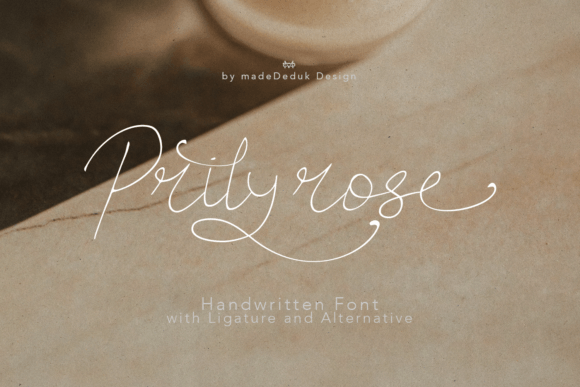
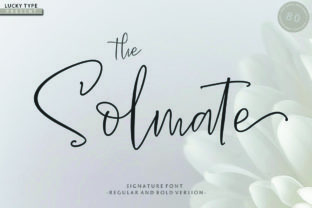
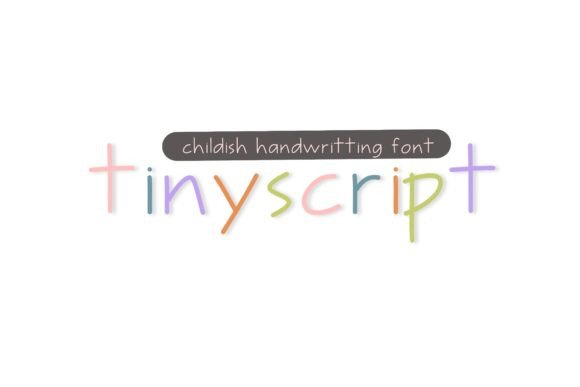
What sets Tiny Script apart from other handwritten fonts is its thoughtful balance. Many script fonts err on the side of being either too formal and stiff or too casual and illegible. This one finds a middle ground. The letterforms have a gentle, consistent flow with just enough variation to feel organic, like real handwriting, but they maintain a clarity that makes them functional. The connections between letters are smooth, and the overall rhythm is easy on the eyes. This makes it an excellent choice for projects where you need to convey a message of authenticity, creativity, or personal care. It feels less like a font and more like a signature—unique, yet instantly recognizable.
Where Tiny Script Truly Shines: Practical Applications
The real value of a creative font lies in how you use it. Tiny Script is a versatile design asset that can elevate a wide range of projects. Think about your brand identity. For a small bakery, a boutique consultancy, or a handmade jewelry line, this typeface can become the cornerstone of a logo that feels inviting and bespoke. It works beautifully on packaging, making a product feel crafted with intention. Imagine it on a coffee bag label, a candle box, or a cosmetic jar—it instantly adds a layer of artisanal quality.
For digital creators, its applications are equally powerful. It’s a fantastic choice for social media graphics, especially for quotes, announcements, or story overlays where you want a personal touch. On a website or blog, it can be used strategically for headings, pull quotes, or call-to-action buttons to break the monotony of a standard sans serif font and guide the reader’s eye. In marketing assets like email headers, digital ads, or PDF guides, it helps your content stand out and feel more engaging. Don’t overlook print materials either; it’s stunning on wedding invitations, event posters, thank you cards, and even merchandise like tote bags or mugs.
Building a Stronger Brand with Thoughtful Typography
Choosing a font like Tiny Script is a strategic decision that goes beyond aesthetics. It’s about building visual consistency and strengthening brand recognition. When you use a distinctive yet readable typeface across all your touchpoints—from your website to your business cards to your Instagram stories—you create a cohesive visual language. Your audience begins to associate that style with your brand, which builds familiarity and trust.
Moreover, it enhances your professional presentation. A well-chosen font signals that you pay attention to detail, which reflects on the quality of your products or services. It’s a subtle but powerful way to communicate professionalism. The fresh, clean look of this particular script also aids in audience engagement. In a scroll-happy world, a beautiful, personal heading can be the hook that makes someone stop, read, and connect with your message on a more human level.
Putting Tiny Script to Work: Practical Tips for Designers and Creators
Integrating a new font into your toolkit is exciting, but a little strategy goes a long way. First, consider the personality of your project. Does it call for a touch of elegance, a dose of whimsy, or a feeling of grounded authenticity? Tiny Script leans towards approachable elegance, making it ideal for projects targeting audiences who appreciate craftsmanship and personal connection.
Next, think about font pairing. A script font rarely works well in isolation for body text. Its strength is in headlines, logos, and accents. Pair it with a clean, neutral sans serif font for paragraphs of text. The contrast will make the script elements pop while ensuring your overall design remains readable and balanced. Always test your pairings in context—see how they look on a mockup of a website header or a product label before finalizing.
Readability is paramount, especially for smaller sizes or longer phrases. Test the font at the size you intend to use it. Does it remain clear? For very small text, you might need to switch to a simpler sans serif. Review the font package thoroughly; a good premium font often includes multiple styles, alternates, or ligatures that give you more creative flexibility. Finally, for any commercial project, always verify the licensing. Ensure you have the appropriate commercial license for your intended use, whether it’s for a client project, merchandise for sale, or marketing materials. This protects you legally and respects the work of the font’s creator.
Tiny Script is more than just a set of characters; it’s a tool for storytelling. It allows you to inject warmth, personality, and a human touch into your visual communication, helping your brand or project resonate more deeply with the people you want to reach. In a world of digital perfection, its simple, clear, and fresh approach might be exactly what your designs need to feel genuinely authentic.