Sandsa Script: Unpacking the Personality of This Modern Script Font
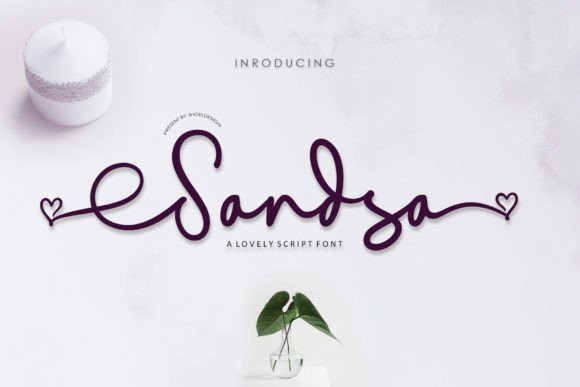
Finding a typeface that balances elegance with everyday usability can feel like searching for a needle in a haystack. You want something with character, something that feels personal, but it also needs to be versatile enough for a variety of projects. Enter Sandsa Script, a premium font that has been catching the eye of designers and creators for its fluid, handwritten aesthetic. This isn't just another script font; it's a design asset built for harmony, offering a beautiful flow that can bring a human touch to everything from a wedding invitation to a bold social media campaign.
The Allure of a Handwritten Typeface
What makes a font like Sandsa Script so visually appealing? At its core, it's a modern typography choice that mimics the natural, slightly imperfect flow of handwriting. Unlike rigid, formal serif or sans serif fonts, a script typeface introduces warmth and personality. The letters in this particular font are designed with a graceful, connected style that feels both sophisticated and approachable. This visual harmony is its greatest strength. It doesn't scream for attention; instead, it draws the viewer in with a sense of authenticity and crafted care.
For a small business owner or a content creator, this quality is invaluable. It can make a brand feel more relatable and less corporate. Imagine a bakery logo using this font—the letters seem to dance, evoking the handcrafted nature of their pastries. Or picture a wellness coach's Instagram post where the typography feels calm and personal, perfectly matching the message. The visual characteristics of Sandsa Script are designed to evoke specific emotions, making it a powerful tool for visual communication and brand identity.
From Branding to Packaging: Where This Font Shines
The true test of any creative font is its real-world application. A beautiful typeface is useless if it can't be adapted to the messy, varied demands of actual projects. This is where a versatile display font like this one proves its worth. Its design isn't limited to a single niche; it's a workhorse for numerous creative endeavors.
Consider its role in logo design. A script font can become the cornerstone of a brand's visual identity, especially for businesses in fashion, beauty, food, or lifestyle sectors. It lends an air of elegance and bespoke quality. But its utility extends far beyond the logo. Think about packaging design—the name of a product, a tagline on a box, or a special callout on a label. Using this typeface can instantly elevate the perceived value of the product, suggesting care and quality.
For those in the digital space, the applications are just as broad:
- Social Media Graphics: Create standout quotes, announcements, and story overlays that feel personal and engaging.
- Website & Blog Headers: Use it for headlines or pull quotes to break up text and add a stylistic flourish to your web design.
- Digital Products: Design beautiful e-book covers, worksheet headers, or course materials that look polished and professional.
- Marketing Assets: From email newsletter banners to digital ads, a touch of elegant script can improve click-through rates by catching the eye.
Don't forget print. This font is equally at home on physical materials. Invitations for weddings or events are a natural fit, but it also works beautifully on posters, business cards, merchandise like tote bags or mugs, and editorial design elements in magazines or lookbooks. The goal is visual consistency; using a single, strong typeface across all touchpoints strengthens brand recognition and creates a cohesive experience for your audience.
Practical Tips for Pairing and Readability
Choosing the right font is only half the battle. Knowing how to use it effectively is what separates good design from great design. One of the most common questions with a script font is about font pairing. Because a handwritten style is so expressive, it almost always needs a more neutral partner for body text to ensure readability.
A classic and effective strategy is to pair your Sandsa Script headings with a clean, simple sans serif font for paragraphs. The contrast creates a clear visual hierarchy, guiding the reader's eye without causing fatigue. For example, use the script for a product name and a sans serif like Montserrat or Lato for the description. This combination feels balanced and professional. You could also pair it with a simple serif font for a more traditional, elegant look, perfect for wedding stationery or high-end branding.
Always test your pairings in context. View them on a mobile screen and in print. Does the script font remain legible at smaller sizes? For body copy, it's generally best to stick with the script for short, impactful phrases like headlines, quotes, or single words. Its strength is in display use, not in setting long paragraphs of text. This practical approach ensures your design is not only beautiful but also functional.
Unlocking Creative Potential with Glyphs and Alternates
Here’s where a premium font truly demonstrates its value. A standard font might offer the basic alphabet, but a thoughtfully designed typeface provides tools for customization. This font includes an extensive library of 607 glyphs. For the uninitiated, glyphs are the individual characters and symbols within a font file. This large set means you have access to a wide range of alternates, swashes, and ligatures.
What does this mean for you as a designer or crafter? It means you're not stuck with a single look. You can swap out a standard lowercase 'a' for a more ornate version with a sweeping tail. You can add elegant swashes to the beginning or end of a word to create a unique flourish. This level of detail allows you to customize your typography to perfectly fit the mood of your project.
Furthermore, this font comes with PUA unicode (Private Use Areas) encoding. This is a crucial feature for accessibility. It means that all of these special alternate characters are easily accessible, even in basic design software that doesn't natively support advanced OpenType features. Whether you're using a professional program like Adobe Illustrator or a more common platform like Canva, you can access the full character set. This empowers everyone, from the seasoned graphic designer to the hobbyist crafter making invitations on their home computer, to use the font to its full potential. This thoughtful coding is what makes a typeface a true design asset.