Leisa Script: The Elegant Handwritten Font for Feminine Design
There's a particular kind of magic that happens when a design feels personal. You see it on a wedding invitation where the couple's names seem to dance across the paper, or on a boutique candle label that whispers "handcrafted with care" before you even read the words. That feeling doesn't come from a stock photo or a trendy color palette. It comes from typography that carries human warmth—and that's exactly where Leisa Script enters the conversation.
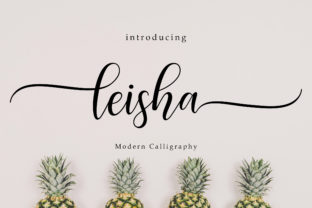
Leisa Script is an elegant handwritten script typeface designed with flowing swashes and a distinctly feminine sensibility. It's the kind of font that bridges the gap between digital precision and organic charm, making it a compelling choice for anyone whose work depends on creating emotional connections through visual design. Whether you're building a brand identity from scratch, refreshing your social media presence, or designing packaging for a product line, this font offers a specific aesthetic that's difficult to replicate with more conventional typefaces.
What Makes a Handwritten Script Font Feel Authentic
Not all script fonts are created equal. Some feel stiff and mechanical, like someone tried to force a calligraphy pen through a printer. Others swing too far in the opposite direction, sacrificing legibility for the sake of looking "artistic." The sweet spot—and where Leisa Script tends to land—is in that middle ground where the letterforms feel genuinely hand-drawn but remain clean enough to function in real-world applications.
The swashes are a defining feature here. These decorative extensions that curl from the beginning and end of letters add movement and personality without overwhelming the overall composition. They give headlines and logos a sense of occasion, almost like the typographic equivalent of a flourish at the end of a signature. For designers working on projects that need to feel romantic, luxurious, or artisanal, these details matter enormously.
What's worth noting is how the font maintains its character across different sizes. A script font that looks gorgeous at 72 points on a poster but falls apart at 14 points on a business card isn't particularly useful. The letter spacing and stroke weight in Leisa Script have been considered carefully enough that it holds its elegance across a reasonable range of applications, from large display text down to moderately sized body copy in contexts where readability isn't the primary concern.
Where This Font Truly Shines: Real Applications
Let's talk specifics, because vague promises about "elevating your designs" don't help anyone make practical decisions.
Branding and Logo Design: If you're developing a brand identity for a business that wants to communicate warmth, femininity, or artisanal quality, a script font like Leisa can serve as the primary wordmark or as a complementary element alongside a clean sans serif. Think about businesses in the wedding industry, beauty and skincare, handmade goods, boutique retail, or wellness spaces. The font does a lot of the emotional heavy lifting, signaling to potential customers what kind of experience they can expect before they read a single line of copy.
Packaging Design: Shelf presence is everything for consumer products. A handwritten script on a label immediately differentiates a product from competitors using generic typography. Whether it's a jam jar, a soap wrapper, or a candle box, Leisa Script can help a product feel premium and personally made, even if it's manufactured at scale. The swashes, in particular, work beautifully as accent elements on packaging where space allows for a bit of decorative flair.
Social Media Graphics: Instagram, Pinterest, and TikTok are visual platforms where standing out requires more than good photography. Quote graphics, sale announcements, product features, and story templates all benefit from a distinctive typeface. Leisa Script works particularly well for overlay text on images, where its flowing forms create visual interest without requiring a complex layout. Pair it with a simple sans serif for supporting text, and you've got a cohesive look that's easy to replicate across dozens of posts.
Wedding Invitations and Event Materials: This is perhaps the most natural home for an elegant script font. Save-the-dates, invitations, programs, menus, place cards, and thank-you notes all call for typography that feels celebratory and personal. The feminine quality of Leisa Script makes it especially well-suited for bridal showers, baby showers, garden parties, and similar events where the aesthetic leans romantic and refined.
Websites and Blogs: While script fonts aren't ideal for long-form body text on the web, they're excellent for headlines, hero sections, pull quotes, and decorative elements. A blog focused on lifestyle, fashion, food, or travel can use Leisa Script sparingly to create visual hierarchy and inject personality into the design. The key is restraint—use it where you want the eye to land, not everywhere.
Print Materials and Merchandise: Business cards, thank-you cards, tote bags, mugs, and stickers all become more memorable with thoughtful typography. For small businesses selling merchandise or including branded inserts in orders, a handwritten script adds a personal touch that customers notice and appreciate. It suggests that someone cared enough to design something beautiful, not just functional.
Pairing Leisa Script with Other Fonts
A script font rarely works in isolation. Most professional designs combine two or three typefaces to create contrast and hierarchy. The question isn't whether to pair Leisa Script with something else—it's what to pair it with.
A clean sans serif font is the safest and most versatile companion. The contrast between the organic curves of the script and the geometric simplicity of a sans serif creates immediate visual clarity. Think of fonts like Montserrat, Poppins, or Lato as reliable partners that won't compete for attention.
For a more editorial or sophisticated feel, consider pairing it with a classic serif typeface. The combination of a flowing script with structured serif letterforms can feel timeless, particularly in contexts like magazine layouts, lookbooks, or upscale branding.
The practical advice here is simple: test your pairings before committing. Set the fonts side by side at the sizes you'll actually use. Check that the weights feel balanced—Leisa Script shouldn't visually overpower its companion font, nor should it disappear next to something bolder. Readability should always win over aesthetics when the two are in conflict.
Practical Considerations Before You Commit
Before incorporating any premium font into a project, a few practical checkpoints can save headaches later.
Review the full character set. Does the font include uppercase and lowercase letters? What about numbers, punctuation, and special characters? If you're designing for a multilingual audience, check for extended Latin support. Leisa Script includes stylistic alternates and swashes that expand its versatility, so spend some time exploring the full range of what's available.
Consider the licensing carefully. A font that's perfect for a personal blog might have different licensing terms for commercial use. If you're creating client work, selling products with the font embedded, or using it in marketing materials for a business, make sure the license covers those applications. This isn't the glamorous part of choosing a font, but it's the part that protects you legally.
Think about your audience. A handwritten script with pronounced swashes communicates something very specific. If your audience skews toward young professionals in a corporate B2B context, this probably isn't the right choice. But if you're speaking to consumers who value aesthetics, craftsmanship, and personal connection, it could be exactly what your design needs.
Test across platforms. Fonts can render differently on screens versus print, on mobile versus desktop, in email clients versus web browsers. If you're using Leisa Script for digital applications, preview it in the environments where your audience will actually see it. A font that looks stunning in your design software might lose some of its charm at small sizes on a low-resolution screen.
Designing with Intention, Not Just Decoration
The most effective use of any creative font comes from intentionality. It's tempting to reach for a beautiful script font because it looks impressive in a specimen sheet, but the real question is whether it serves the project's goals. Does this typography choice help communicate the right message to the right audience? Does it support the brand's positioning? Does it make the design more effective, not just more ornamental?
Leisa Script, with its elegant handwritten character and decorative swashes, is a tool designed for specific purposes. It excels when the brief calls for femininity, warmth, elegance, and a handmade sensibility. Used thoughtfully, it can transform a forgettable design into something that resonates emotionally. Used without consideration, even the most beautiful typeface becomes visual noise.
The difference between good design and great design often comes down to these small, deliberate choices. A font isn't just a collection of letterforms—it's a voice. And when you find one that speaks in the right tone for your project, the entire composition clicks into place.