Hasella Script: A Hand Lettered Typeface for Authentic Design
There's a particular feeling you get when you see a design that just works—when the typography, the imagery, and the message all align so naturally that the whole thing feels effortless. More often than not, that feeling comes down to the font choice. And if you've been searching for a typeface that carries warmth, personality, and a distinctly human quality, Hasella Script deserves a close look.
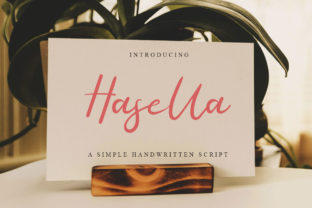
The Hasella is an amazing hand lettered typeface. It has a simple, yet elegant style and is perfect for making a unique design. It can be used for greeting cards, branding, stationery design, social media, and so much more. But what really sets it apart? Let's dig into why this particular script font has become a go-to resource for designers, entrepreneurs, and creators who want their work to feel genuinely personal.
What Makes Hasella Script Visually Different
Most script fonts fall into one of two camps: either they're so ornate that they become unreadable at smaller sizes, or they're so generic that they blend into the sea of cursive typefaces already flooding the market. Hasella Script threads the needle between these extremes. Its letterforms carry the organic irregularity of actual hand lettering—slight variations in stroke weight, natural connections between characters—without sacrificing legibility.
The elegance of this typeface comes from its restraint. Where some handwritten fonts pile on swashes and flourishes until the text becomes decorative noise, Hasella Script keeps things clean. The ascenders and descenders have enough personality to catch the eye, but they don't compete with your message. This balance is surprisingly rare in the world of premium fonts, and it's exactly what makes Hasella Script versatile enough to work across wildly different projects.
Think about the last time you saw a coffee shop logo, a wedding invitation, or an Instagram post that made you stop scrolling. Chances are, the typography felt intentional. It looked like someone actually sat down and hand-lettered it, rather than dropping in the first script font they found. That's the visual territory Hasella Script occupies—it bridges the gap between digital convenience and handmade authenticity.
Where This Typeface Truly Shines
Let's talk about real applications, because a font is only as good as the projects you can actually use it for.
Brand Identity and Logo Design
If you're building a brand from scratch or refreshing an existing one, typography is foundational. Hasella Script works beautifully as a primary logo typeface for businesses that want to communicate approachability and craftsmanship. Think artisan bakeries, boutique clothing lines, independent florists, wellness brands, or creative studios. The handwritten quality immediately signals that there's a real person behind the brand—not a faceless corporation.
That said, pairing matters. A script font used in isolation can sometimes feel one-dimensional. Try combining Hasella Script with a clean sans serif for body text or secondary information. The contrast between the organic script and the structured sans serif creates visual hierarchy while keeping the overall design cohesive. This kind of font pairing is a staple of modern typography, and Hasella Script makes it easy because its character shapes don't clash with most neutral typefaces.
Packaging and Product Design
Packaging design is where Hasella Script really comes alive. On a product label, the font's hand-lettered quality adds tactile warmth that makes consumers feel like they're holding something special. It's particularly effective for food and beverage packaging, cosmetics, candles, and any product where the "crafted with care" message is part of the brand story.
One practical tip: when using a script font on packaging, pay close attention to size and contrast. Hasella Script holds up well at medium to large sizes, which is exactly where you'd use it for product names or taglines. For smaller regulatory text or ingredient lists, switch to a legible serif or sans serif. Good design isn't about using one font everywhere—it's about using the right font for each specific role.
Social Media and Digital Content
Content creators and social media managers are constantly fighting for attention in crowded feeds. A distinctive script font like Hasella Script can be a secret weapon here. Use it for quote graphics, announcement posts, story overlays, or featured text on thumbnails. The handwritten style feels native to platforms like Instagram and Pinterest, where authenticity drives engagement.
For digital use, keep readability front and center. Avoid setting long paragraphs in script—save it for headlines, pull quotes, or short phrases where its personality can shine without slowing down the reader. This is a rule that applies to virtually every display font, but it's worth repeating because it's the difference between a design that looks polished and one that looks like a beginner's first attempt.
Matching the Font to Your Project Goals
Before you commit to any typeface—including Hasella Script—ask yourself a few questions:
- What emotion should this design evoke? Script fonts inherently feel personal and warm. If your project calls for corporate authority or clinical precision, a different style might serve you better. But if you want warmth, creativity, or intimacy, you're in the right territory.
- Who is the audience? A handmade aesthetic resonates with consumers who value authenticity—millennials and Gen Z shoppers, in particular, respond to brands that feel genuine rather than manufactured. If that's your target demographic, a handwritten font aligns naturally with their expectations.
- Where will the design live? Consider the medium. A script font on a large poster reads differently than the same font on a mobile screen. Test Hasella Script at the actual size and context where your audience will encounter it.
- What other design elements are in play? Typography doesn't exist in a vacuum. Think about your color palette, photography style, and overall layout. Hasella Script pairs well with earthy, natural color schemes, minimalist layouts, and photography that has a warm, candid quality.
Practical Tips for Working with Hasella Script
Explore the included styles. Many premium font families ship with multiple weights, stylistic alternates, or additional swash characters. Before you start designing, open up the font files and see what's available. You might discover alternate letterforms that give you more flexibility or a stylistic variation that fits your project even better than the default.
Test your font pairings early. Don't wait until you're deep into a design to discover that your script font clashes with your body text choice. Lay out a quick sample—just a headline and a paragraph—and evaluate how the two typefaces interact. Look at spacing, weight contrast, and overall mood. A few minutes of testing upfront can save hours of revision later.
Respect the licensing. If you're using Hasella Script for a commercial project—a client logo, a product line, marketing materials—make sure your license covers that use. Most premium fonts come with clear licensing terms, and understanding them protects both you and your clients. This is especially important for designers who create assets that will be distributed or sold, such as templates or merchandise.
Don't overdo it. This might be the most important piece of advice in this entire article. A beautiful script font can become a crutch if you use it on every surface of your design. Reserve Hasella Script for the moments where it will have the most impact—a hero headline, a brand name, a call to action. Let it breathe. Give it space. The power of a handwritten typeface is in its scarcity as much as its beauty.
Building Consistency Across Your Visual Identity
One of the most overlooked benefits of choosing a strong typeface early in a branding process is the consistency it creates over time. When your audience sees the same font across your website, your packaging, your social media, and your print materials, they start to associate that visual style with your brand. It becomes a recognizable signature.
Hasella Script can serve as that signature for brands and creators who want to project an approachable, handcrafted image. The key is discipline: use it the same way, in the same contexts, every time. Create a simple type hierarchy—Hasella Script for primary headlines, your chosen sans serif for subheadings and body copy—and stick to it. Over weeks and months, this consistency compounds into real brand recognition.
Whether you're designing a wedding invitation suite, launching a product line, building a personal blog, or creating social media templates for clients, the fonts you choose shape how people perceive your work before they read a single word. Hasella Script offers that rare combination of visual charm and practical versatility that makes it worth keeping in your design toolkit. The hand-lettered aesthetic isn't just a trend—it's a timeless way to communicate that something was made with intention and care.