Bentagon Script: The Flowing Handwritten Font for Modern Designers
There's a moment in every design project where you realize the typography isn't just carrying the message—it's becoming the message. You've nailed the color palette, the imagery feels right, but the text sits there like an afterthought. This is where a typeface with genuine character changes everything. Bentagon Script arrives with that rare combination of elegance and approachability, a flowing handwritten font that manages to feel both timeless and thoroughly contemporary. It's the kind of font that makes you pause mid-scroll, not because it's shouting for attention, but because it simply looks right.
A Typeface That Balances Artistry with Usability
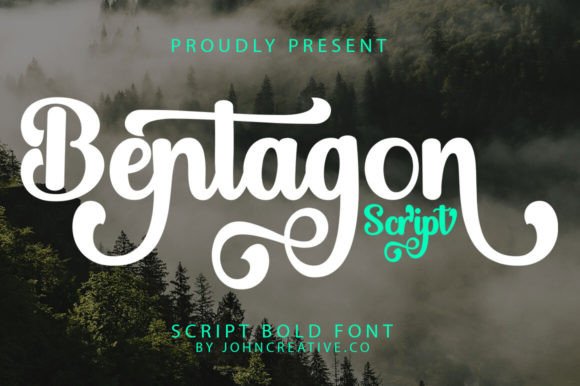
What sets Bentagon Script apart from the crowded field of script fonts is its deliberate balance. Many handwritten typefaces lean too heavily into casual illegibility or veer into overly formal calligraphy. This one sits comfortably in the middle ground where real design work happens. The letterforms flow with an organic rhythm—each stroke connects naturally to the next, creating a sense of movement that feels human rather than mechanical. There's an elegant touch woven into every curve and connection point, giving your layouts a warmth that sterile sans serif fonts simply cannot replicate.
The distinctiveness of this typeface shows up in the details: slightly varied baseline movement that mimics actual handwriting, thoughtful ligatures that prevent awkward letter collisions, and a weight that reads well at multiple sizes. Whether you're setting a headline at 72 points or using it for accent text at 16, the personality remains consistent without sacrificing clarity.
Where This Font Truly Shines
Think about the brands you remember most. Chances are, at least a few of them use script or handwritten typography as part of their visual identity. A flowing font like Bentagon Script works exceptionally well across a surprising range of applications, and understanding where it excels helps you make smarter design decisions.
Brand identity and logo design represent perhaps the most impactful use case. If you're building a brand for a boutique bakery, a wellness studio, a wedding photographer, or any business that wants to communicate personal connection and craftsmanship, this typeface delivers immediate personality. It signals care, attention to detail, and a human touch—exactly what many consumers are searching for in an increasingly automated marketplace.
Packaging design is another natural fit. Picture a handcrafted candle label, artisan chocolate wrapping, or a small-batch skincare line. The flowing letterforms of this premium font create an instant association with quality and intentionality. It tells the customer that someone actually made this product, not just manufactured it.
For social media graphics, the font solves a persistent challenge: standing out in a feed full of identical-looking content. Instagram stories, Pinterest pins, and Facebook headers all benefit from typography that catches the eye without relying on neon colors or oversized text. A well-set script headline over a clean photograph creates visual hierarchy effortlessly.
Invitations, greeting cards, and editorial layouts are where this typeface feels most at home historically. Wedding stationery, event programs, magazine pull quotes, and book chapter headings all gain sophistication from a handwritten font that doesn't look like it came from a default system library. The PUA encoding means every glyph and ligature is accessible, giving you creative control that many fonts simply don't offer.
Practical Typography Decisions for Real Projects
Choosing a font style is never just about aesthetics—it's about communication goals. Before reaching for any script typeface, ask yourself what the text needs to accomplish. A flowing handwritten font works beautifully as a display or accent typeface, but pairing it thoughtfully with supporting fonts is essential for readability and professional presentation.
Here's a practical approach that works across most projects:
- Pair script with structure. Set your headlines or key phrases in Bentagon Script, then use a clean sans serif or serif font for body copy. This contrast creates visual interest while maintaining readability across longer passages.
- Test at actual size. What looks stunning in a 200-point preview on your screen might become illegible at the size it will actually appear on a business card or mobile screen. Always test typography in context.
- Consider your audience's expectations. A law firm's website has different typographic needs than a florist's Instagram page. Make sure the font personality aligns with what your audience considers trustworthy and appropriate for your industry.
- Review all included styles. Premium fonts often come with alternate characters, swashes, and stylistic sets that can dramatically change the look of your text. Spend time exploring what's available before settling on default settings.
Font pairing deserves special attention because it determines whether your design feels cohesive or chaotic. A bold sans serif like Montserrat or a classic serif like Playfair Display typically complements a flowing script without competing for attention. The key is weight contrast and structural difference—if your supporting font also has lots of personality, the layout can feel cluttered.
Building Brand Recognition Through Consistent Typography
One of the most overlooked aspects of brand building is typographic consistency. When you use the same typeface across your website, social media, packaging, print materials, and marketing assets, you create a visual thread that ties everything together. Customers begin to recognize your brand before they even read the words—your typography becomes a signature.
Bentagon Script works particularly well for this kind of consistent brand application because its character is distinctive without being so eccentric that it becomes limiting. A highly decorative font might look perfect on a wedding invitation but feel absurd on an invoice. This typeface maintains its elegance across contexts, from digital products and blog headers to merchandise designs and promotional posters.
For small business owners and entrepreneurs building a brand identity from scratch, this versatility matters enormously. You need a font that works as hard as you do—something that looks equally compelling on a website hero section, a printed brochure, and an email signature. When your typography is consistent across every touchpoint, your brand feels more established, more intentional, and more trustworthy.
Working with Modern Typography in Digital Spaces
The reality of contemporary design is that most of your audience encounters your work on screens first. Web design, social media graphics, and digital products demand fonts that render well across devices and load efficiently. A well-optimized script font maintains its flowing beauty whether someone views it on a 27-inch monitor or a six-inch phone screen.
When incorporating handwritten fonts into web projects, keep a few considerations in mind. Use the script font strategically—typically for headlines, hero text, or call-to-action phrases—rather than for paragraphs of continuous reading. This preserves the font's visual impact while ensuring your content remains accessible and easy to scan. Most readers won't consciously notice good typography, but they'll absolutely notice when text is difficult to read.
For content creators and marketers developing regular visual assets, having a reliable creative font in your toolkit saves significant time. Instead of searching for a new typeface every time you create a social post or promotional graphic, you can return to the same typeface and build recognizable visual patterns. This efficiency compounds over months and years, strengthening your brand while simplifying your workflow.
Licensing and Commercial Considerations
Before using any font in commercial work, understanding the licensing terms protects you and your clients. Most premium fonts come with clear guidelines about where and how they can be used—whether that's unlimited personal projects, a specific number of commercial installations, or extended licensing for merchandise and large-scale distribution. Review these terms before committing a font to a client project or a product you plan to sell.
The investment in a quality commercial font typically pays for itself quickly. A single well-designed logo, a cohesive social media presence, or a professional packaging design can generate returns that far exceed the cost of proper typography. Think of premium fonts not as expenses but as design assets that appreciate in value as your brand grows.
Typography remains one of the most powerful tools in visual communication, and finding the right typeface for your work is worth the deliberate effort. When a font like Bentagon Script fits your project's personality—when it captures the tone you're after and works reliably across your applications—it becomes more than just a design choice. It becomes part of how your audience experiences and remembers your work. That's the real measure of great typography: not how it looks in isolation, but how it serves the story you're trying to tell.