Amallinda Script: Where Handwritten Charm Meets Modern Design
There’s a certain magic in a handwritten note. It feels personal, immediate, and full of character. In the digital age, that human touch can sometimes feel lost, replaced by the sterile precision of standard system fonts. This is where a typeface like Amallinda Script steps in, offering a bridge between the warmth of the hand and the scalability of modern design. It’s not just a collection of letters; it’s a design asset with a distinct personality, ready to infuse your projects with a sense of authenticity and fluid elegance.
Understanding the Fluidity of a Script Typeface
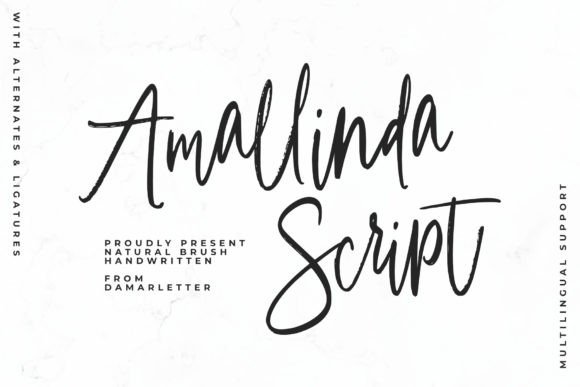
At its core, Amallinda Script is a premium script font designed to mimic the natural, flowing motion of handwriting. What sets it apart is its seamless and natural flow. Unlike some script fonts that can feel stiff or overly ornate, Amallinda maintains a harmonious balance. The connections between letters feel organic, creating a rhythm that guides the eye smoothly across a word or phrase. This inherent fluidity makes it particularly effective for creating a welcoming and approachable brand voice. Think of a boutique coffee shop’s menu, a handmade jewelry brand’s logo, or the header of a lifestyle blog—these are spaces where a human, crafted feel is paramount.
The versatility of a well-designed script like this is one of its greatest strengths. It’s not confined to a single aesthetic. Within its character set, you’ll find it can evoke vintage charm, modern sophistication, or playful whimsy, depending on the context and color palette it’s paired with. This adaptability is crucial for designers and entrepreneurs who need a single creative font to work across multiple applications without losing its core identity.
From Logo to Packaging: Practical Applications That Shine
Seeing a font in isolation is one thing; imagining it in action is where the real excitement begins. Let’s break down where a typeface like Amallinda Script can truly elevate your work.
- Branding and Logo Design: This is often the first place a script font makes its mark. A logo sets the entire tone for a business. Using Amallinda for a primary wordmark or a secondary tagline can instantly communicate values of craftsmanship, elegance, or personal care. It’s ideal for businesses in fashion, beauty, wellness, wedding planning, artisanal goods, and boutique hospitality. The key is ensuring the font’s personality aligns perfectly with your brand’s story.
- Packaging and Labels: On a shelf or in an unboxing video, packaging is a silent ambassador. A handwritten font on a product label, box, or bag adds a layer of perceived quality and intentionality. It suggests that a real person was involved in the creation process. For a small batch candle company or a gourmet bakery, this can be a powerful differentiator.
- Social Media Graphics and Websites: In the fast-scrolling world of social media, stopping power is everything. A beautifully set quote, a striking headline, or a call-to-action in Amallinda Script can draw the eye and encourage engagement. On a website, it works wonderfully for hero section headlines, author names on a blog, or section dividers, adding visual interest without compromising the readability of body text (which should always be a clean serif or sans serif font).
- Print Materials and Merchandise: The charm of a script font translates beautifully to physical goods. Consider business cards with a signature-style name, elegant wedding invitations, stylish event posters, or even merchandise like tote bags and mugs. The font’s PUA encoding is a practical benefit here, giving you easy access to all the beautiful glyphs and ligatures to create truly unique typographic compositions.
- Digital Products and Editorial Design: For creators selling digital planners, e-books, or online courses, using a premium font like this can significantly enhance the perceived value and professionalism of the product. In editorial layouts for magazines or lookbooks, it serves as a stunning display font for pull quotes or feature titles, complementing the more readable body copy.
Harmonizing Aesthetics with Strategy
Choosing a font is more than an aesthetic decision; it’s a strategic one that impacts brand recognition and audience perception. A cohesive visual identity relies on consistent typography. When you select a primary script like Amallinda, you’re choosing a visual shorthand for your brand’s personality. Using it consistently across your touchpoints—from your Instagram Stories to your invoice templates—builds recognition and reinforces your professional presentation.
However, great design is also about balance and hierarchy. A common mistake is overusing a decorative font, which can lead to visual clutter and reduce readability. The golden rule is to use a script or display font for impact—headlines, logos, short phrases—and pair it with a highly legible companion font for longer blocks of text. A clean sans serif like Montserrat or a classic serif like Lora often creates a beautiful and functional contrast with a flowing script. This pairing ensures your message is both seen and read clearly.
Making the Most of Your Creative Font Choice
Once you’ve decided a font like Amallinda Script fits your project, a few practical steps will help you use it effectively.
- Test Your Pairings: Before committing, create mockups. Place your chosen script alongside potential body copy fonts. See how they interact in size, weight, and color. Does one overpower the other? Is the visual hierarchy clear?
- Consider the Context: Always test the font at the size it will be used. A beautiful script that looks elegant at 48px on a poster might become an illegible blur at 10px on a mobile screen. Ensure it performs well in its intended environment.
- Explore the Glyphs: A font with extensive OpenType features, like Amallinda, is a toolkit. Don’t just use the standard letters. Explore the alternate characters, swashes, and ligatures in your design software. These extras can add a custom, hand-lettered feel to specific words, making your design truly unique.
- Understand the License: For any commercial project, verifying the font’s licensing is non-negotiable. Ensure the license covers your intended use, whether it’s for a client’s logo, products for sale, or digital assets. This protects you legally and ensures the font creator is fairly compensated for their work.
In the end, typography is one of the most powerful tools in a designer’s or entrepreneur’s arsenal for silent communication. A typeface like Amallinda Script offers more than just letters; it offers a feeling. It’s the difference between a generic message and one that feels personally crafted, between a forgettable brand and one that resonates with style and grace. By thoughtfully integrating its flowing, handwritten charm into your visual strategy, you create work that doesn’t just look good—it feels authentic, engaging, and memorable.